Transforming Healthcare in Rwanda: A Model for Sustainable Development
Category : |
Sub Category : Posted on 2023-10-30 21:24:53
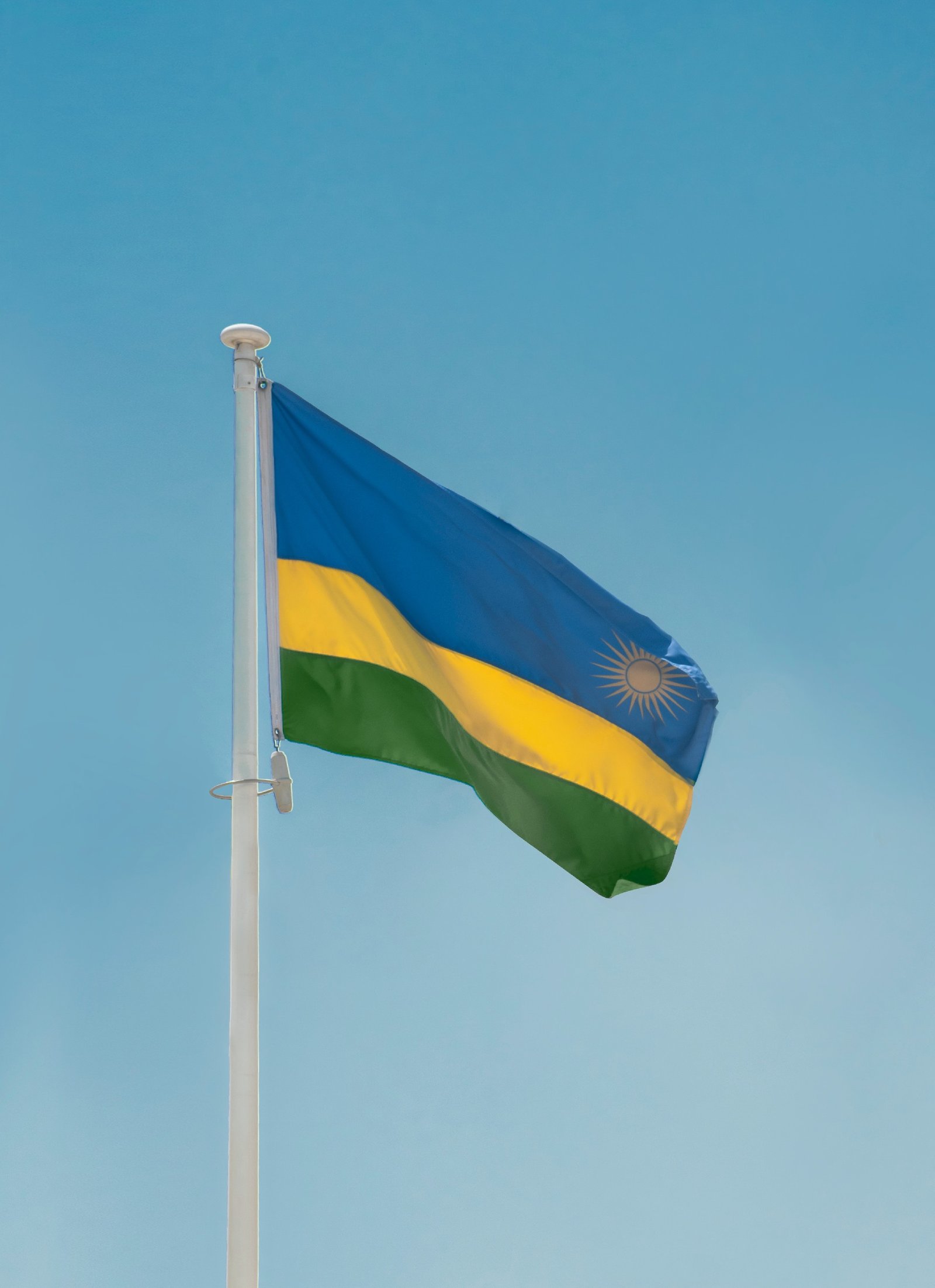
Introduction: Rwanda, often called the "land of a thousand hills," has come a long way over the past few decades. Despite being a small, landlocked country in East Africa, it has made remarkable progress in revolutionizing its healthcare system. From a devastating genocide in 1994 to becoming a global leader in healthcare, Rwanda's journey is nothing short of inspiring. In this blog post, we will explore the remarkable achievements and innovations in Rwandan healthcare and medical services. I. The Post-Genocide Healthcare Reformation: In the aftermath of the Rwandan genocide, the country's healthcare system was devastated, with minimal infrastructure and limited access to medical facilities. However, the government made healthcare a priority, investing in rebuilding and transforming the system to provide comprehensive and inclusive services to all citizens. One of the key strategies was the development of the Community Based Health Insurance (CBHI) scheme, locally known as Mutuelles de Sant, which ensured that even the poorest citizens could access affordable healthcare. II. Primary Healthcare Delivery: Rwanda's primary healthcare system is a cornerstone of its successful healthcare model. It focuses on prevention, early diagnosis, and community-oriented care. At the heart of this model are the Community Health Workers (CHWs), who play an instrumental role in delivering healthcare services at the grassroots level. They are trained to provide basic health education, identify common illnesses, and offer timely referrals to higher-level facilities. III. Cutting-Edge Technological Innovations: Rwanda is leveraging technology to bridge the healthcare gap, especially in rural areas. One such innovation is the use of telemedicine, where patients can consult with doctors remotely using mobile and digital platforms. This technology has proven particularly critical during the COVID-19 pandemic, enabling citizens to receive medical advice without physically visiting a healthcare facility. IV. Specialized Healthcare Services: Rwanda has also made significant strides in the provision of specialized healthcare services. The country has established Centers of Excellence for various medical fields, such as cancer treatment, heart surgery, and ophthalmology. These centers ensure that Rwandans no longer have to travel abroad for specialized healthcare, saving both time and money. V. Cross-Sector Collaborations: The success of Rwanda's healthcare system is also attributed to strong collaborations between the government, non-governmental organizations, and international partners. Organizations like Partners In Health (PIH) and the Bill and Melinda Gates Foundation have played a crucial role in supporting healthcare initiatives in Rwanda. These collaborations have helped to fund medical infrastructure, train healthcare professionals, and improve overall healthcare delivery systems. Conclusion: Rwanda's healthcare system stands as a testament to what can be achieved through visionary leadership, determination, and innovative approaches. From a post-genocide nation with a broken healthcare infrastructure, Rwanda has transformed itself into a country recognized for its exemplary healthcare model. By embracing primary healthcare, technological advancements, and robust collaborations, Rwanda has become a beacon of hope for other nations striving to improve their healthcare systems. As we continue to look towards the future, the lessons learned from Rwanda's healthcare journey will undoubtedly serve as a blueprint for sustainable development in the global healthcare arena. Don't miss more information at http://www.doctorregister.com To get a different viewpoint, consider: http://www.tinyfed.com also this link is for more information http://www.natclar.com


